Situational Awareness
S.C.A.R.E.D is the training programme we use to pre-plan events or expeditions into remote areas.

Situational Awareness: A Core Skill for Safe Expeditions
Situational awareness is the foundation of safe and successful expeditions. At Muuk Adventures, this skill sits at the heart of everything we teach. Without a clear understanding of the environment, risk quickly increases.
Situational awareness means knowing where you are going and what to expect. For example, this includes political stability, local laws, weather patterns, wildlife, terrain, and transport infrastructure. In addition, understanding local culture and customs can prevent unnecessary problems.
Before any expedition or event begins, you must confirm that all documentation is in place. This may include permits, maps, currency, insurance, and emergency contacts. As a result, avoidable delays and legal issues are reduced.
Our training explains how to gather accurate information and assess its reliability. More importantly, it shows how to use systems and procedures to ensure nothing is overlooked. Therefore, teams are better prepared to manage uncertainty and emergencies.
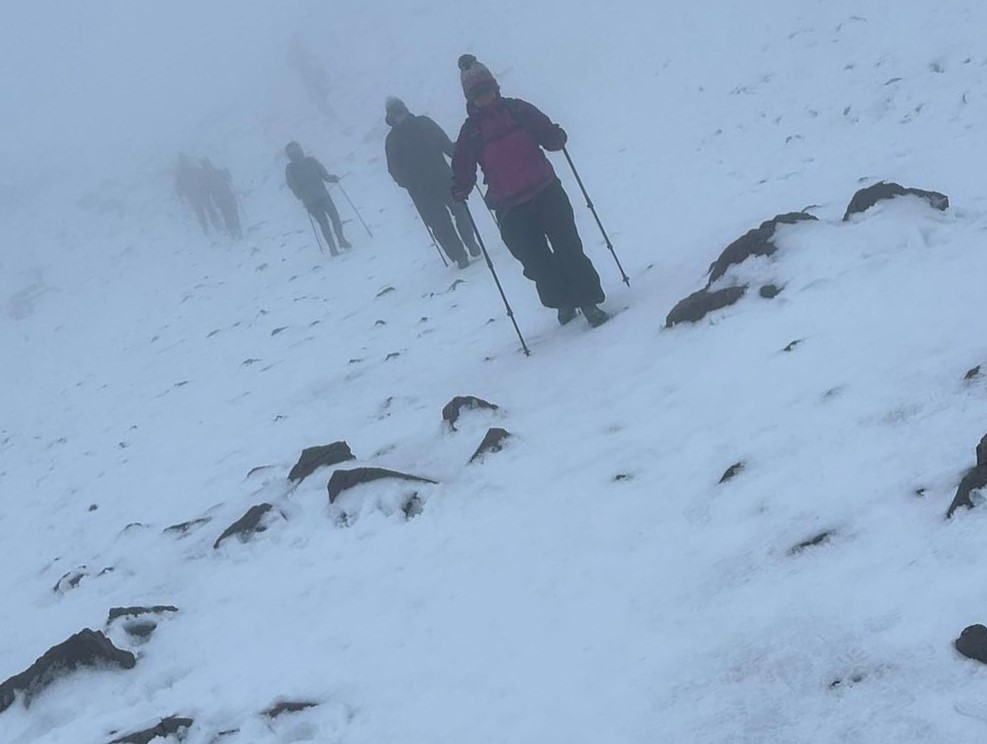
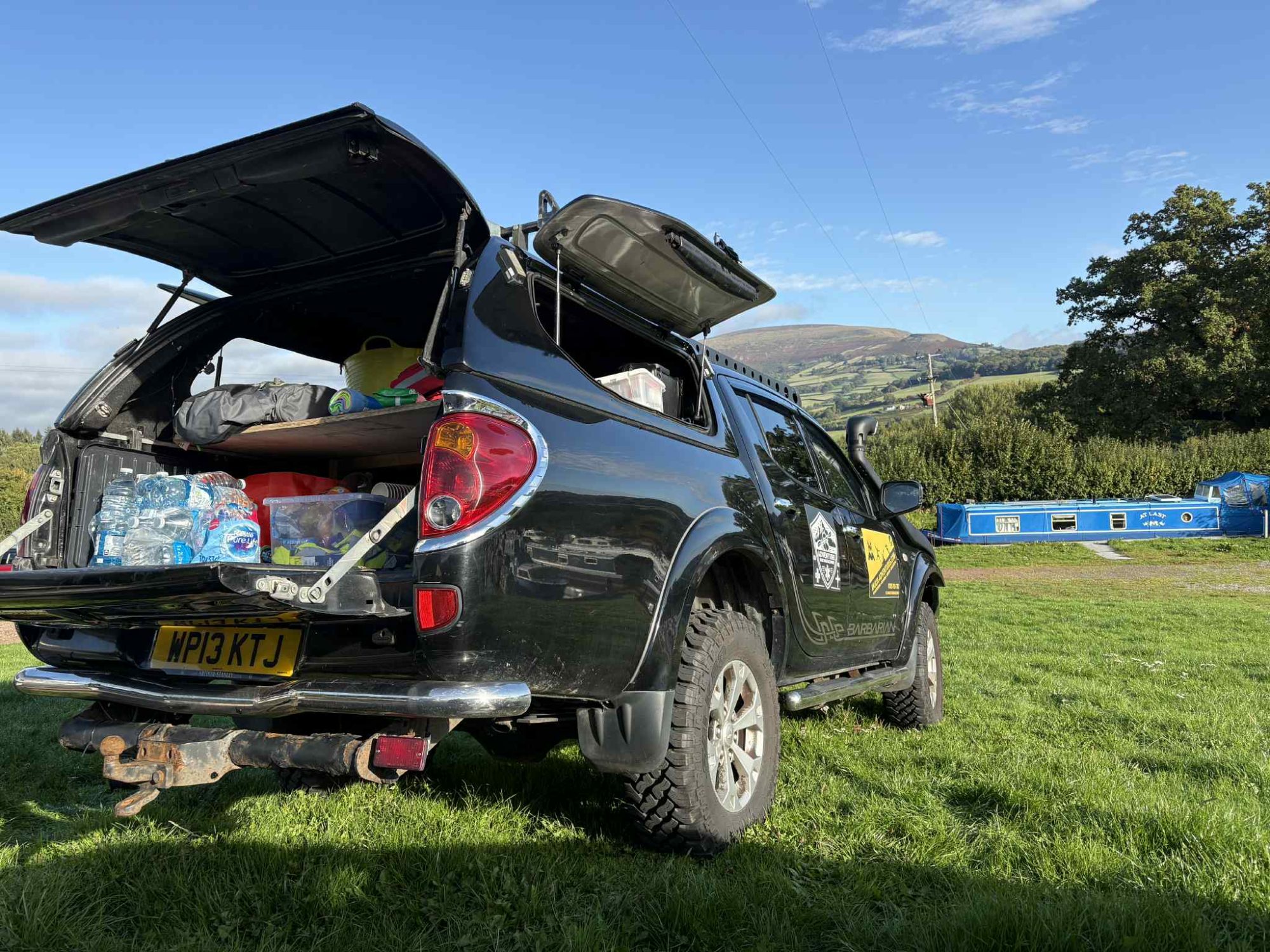

Communication: Planning for Reliability in Remote Areas
Clear communication is essential in remote environments. Without it, small issues can quickly become serious incidents.
At Muuk Adventures, we help you build a communication plan that fits your activity and location. For instance, this may involve satellite phones, radios, tracking devices, or mobile networks. In addition, we show you how to source equipment within a realistic budget.
However, technology has limits. Batteries fail, signals drop, and devices break. Because of this, backup communication plans are vital.
Our training focuses on redundancy and practical use. As a result, you understand not only how equipment works, but also what to do when it does not.
Accidents and Injuries: Preparing for Realistic Risks
When accidents happen, your response will be examined closely. This may include scrutiny from insurers, legal teams, or governing bodies. Therefore, preparation is essential to protect both people and organisations.
To manage this risk, our training uses a structured medical planning process. First, we assess where you are going, what you are doing, and who you are responsible for. Then, we identify the most likely injuries and medical emergencies.
For example, high-altitude environments require preparation for altitude illness. Similarly, extreme heat increases the risk of heat exhaustion, while cold environments raise the chance of hypothermia. As a result, planning must match the environment.
This section forms the largest part of the S.C.A.R.E.D training programme. During training, you will learn how to manage medical kits, treat injuries, and lead incidents in remote locations. In addition, scenario-based exercises help build confidence under pressure.
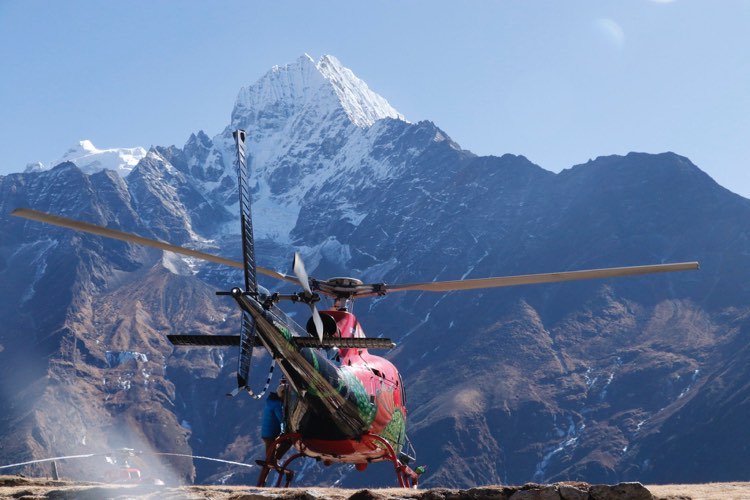

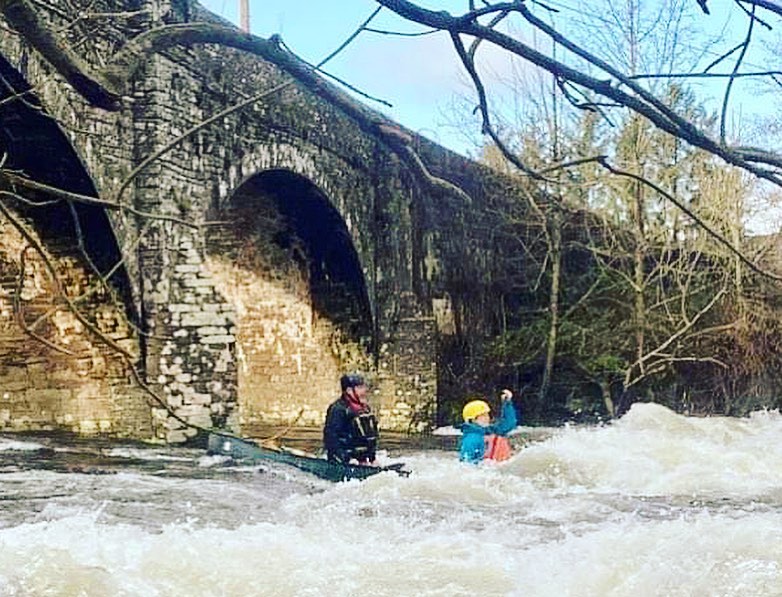
Response and Evacuation: Knowing What Help Really Looks Like
Before entering a remote area, you must understand how an emergency response will work. In some regions, professional help may be limited or delayed. Therefore, response times must be factored into planning.
Response planning directly affects medical equipment and team responsibilities. For this reason, understanding whether services are professional, reliable, or paid is critical.
Evacuation planning builds on this information. Consequently, leaders must identify realistic evacuation options and explain them clearly to their teams. Honest planning improves trust and decision making.
Decision Making: The Skill That Defines Leadership
Decision making is the most important skill for expedition leaders, instructors, and event directors. Every outcome is shaped by the choices made before and during an activity.
During planning, risks are identified and control measures are selected. Some decisions are financial, while others are practical or safety based. However, conditions often change once you are in the field.
As a result, dynamic decision making becomes essential. Through the S.C.A.R.E.D framework, Muuk Adventures helps leaders assess risk, adapt to change, and act decisively under pressure. Ultimately, strong decisions protect lives and reputations.
Situational Awareness and First Aid
We can deliver standalone S.C.A.R.E.D Risk Assessment training or combine it with our Wilderness First Aid Training